Across the country, interest in food as medicine is rapidly expanding as researchers, clinicians, and community partners develop new ways to integrate food, nutrition, and health. At Kansas State University Olathe, this movement aligns closely with the university’s long-standing strengths in urban food systems, food safety, public health, and sensory and consumer research – and a commitment to advancing innovation from farm to consumer.
The Opportunity
New Venture Advisors had the opportunity to support K-State Olathe in establishing the Food as Medicine and Community Health Initiative, a transdisciplinary effort that will connect research, agricultural extension, industry partnerships, and community engagement across the university and the Kansas City metropolitan region. This work sets the foundation for a forward-looking initiative designed to strengthen health outcomes, deepen collaboration across academic units and campuses, and position K-State Olathe as a model for land-grant university leadership in the national food as medicine landscape.
The leadership team at K-State Olathe recognized that the field of food as medicine is expansive, rapidly evolving, and deeply interdisciplinary. It sits at the intersection of many fields, including agriculture, nutrition science, healthcare delivery, food manufacturing, and community health. To establish a strong, actionable vision for this new initiative, K-State Olathe sought a clearer understanding of where the university’s existing strengths align with current research and practice, and where new collaborations and investments would generate the most impact.
Partnering with NVA
Working closely with the K-State Olathe leadership team, New Venture Advisors guided a three-phase, co-designed process to map the current field, identify strategic opportunities, and refine a shared vision for the Initiative.
The goal was to assess the food as medicine landscape across K-State, the Kansas City metro area, and the nation, and identify where K-State Olathe is uniquely positioned to lead, convene, and innovate.
Phase 1: Mapping the Field
We began by analyzing the structure of the food as medicine landscape, both nationally and within K-State. Through desktop research, a literature scan, and interviews with faculty and staff, we cataloged academic programs, research strengths, partnerships, and emerging trends. This work produced a clear snapshot of the current state, including narrative summaries, system diagrams, and a glossary of key terms.
Phase 2: Identifying Alignment and Opportunity
Next, we conducted deeper research into areas most relevant to K-State Olathe’s mission. Additional interviews and case studies showed how leading institutions and industries are putting food as medicine into practice, revealing both gaps and opportunities. We developed detailed maps of players across sectors – from healthcare systems and academic research centers to food hubs and manufacturers – and analyzed where K-State Olathe can build meaningful collaborations and address unmet needs.
Phase 3: Recommendations for Implementation
Finally, we synthesized the findings into a set of actionable recommendations to guide the Initiative’s development. Through collaborative workshops with the K-State team, we outlined:
-
- A refined concept and updated expression of the Initiative
- Priority focus areas rooted in K-State’s core competencies
- Internal and external partnerships that can accelerate impact
- Gaps that must be addressed to strengthen institutional readiness
- Funding pathways to support the Initiative and future research
These insights were compiled into an executive summary for K-State Olathe leadership, creating a clear yet adaptable framework for launching and sustaining the Initiative.
Moving Forward
The Food as Medicine and Community Health Initiative is now ready to move into implementation, building on the university’s strengths and the region’s growing network of partners. The Initiative will foster interdisciplinary collaboration across K-State campuses, connect research to industry and community health applications, and pursue funding to support innovative work.
With a strong strategic foundation and a collaborative approach, K-State Olathe is well-positioned to impact the future of food as medicine and advance innovation and community well-being across Kansas and beyond.
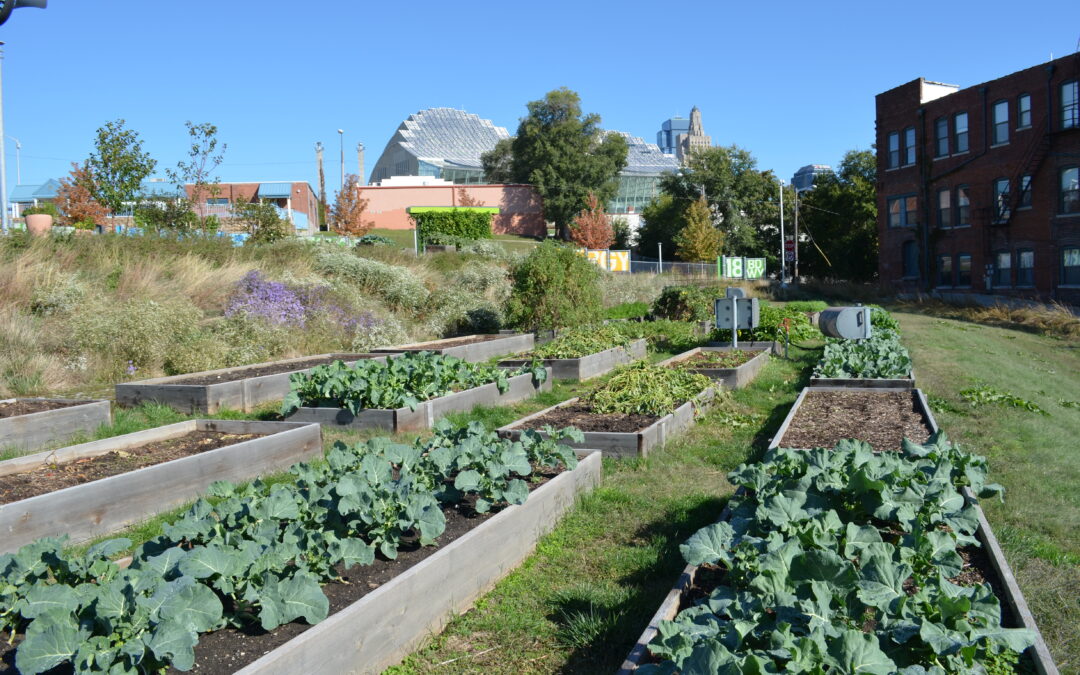
Photo Courtesy of Kansas State University Olathe