Two years ago, I moved back to my hometown in rural Nebraska. Main Street has remained largely unchanged over the years, but sadly the little grocery store was struggling. It eventually became another statistic in rural America: a town losing its grocery store to rising distribution minimums, competition from Walmart delivery twenty minutes away, and poor management decisions.
I’ve supported local food infrastructure as a consultant with New Venture Advisors for over ten years, and here was my opportunity to start something new. With some amazing partners, we wanted to change what local grocery could look like. There’s nostalgia for the old store that many of us miss. But after living in urban areas for most of my adult life, I wanted to bring the bodega concept to rural America and see if we could create something that genuinely serves the community.
The Concept
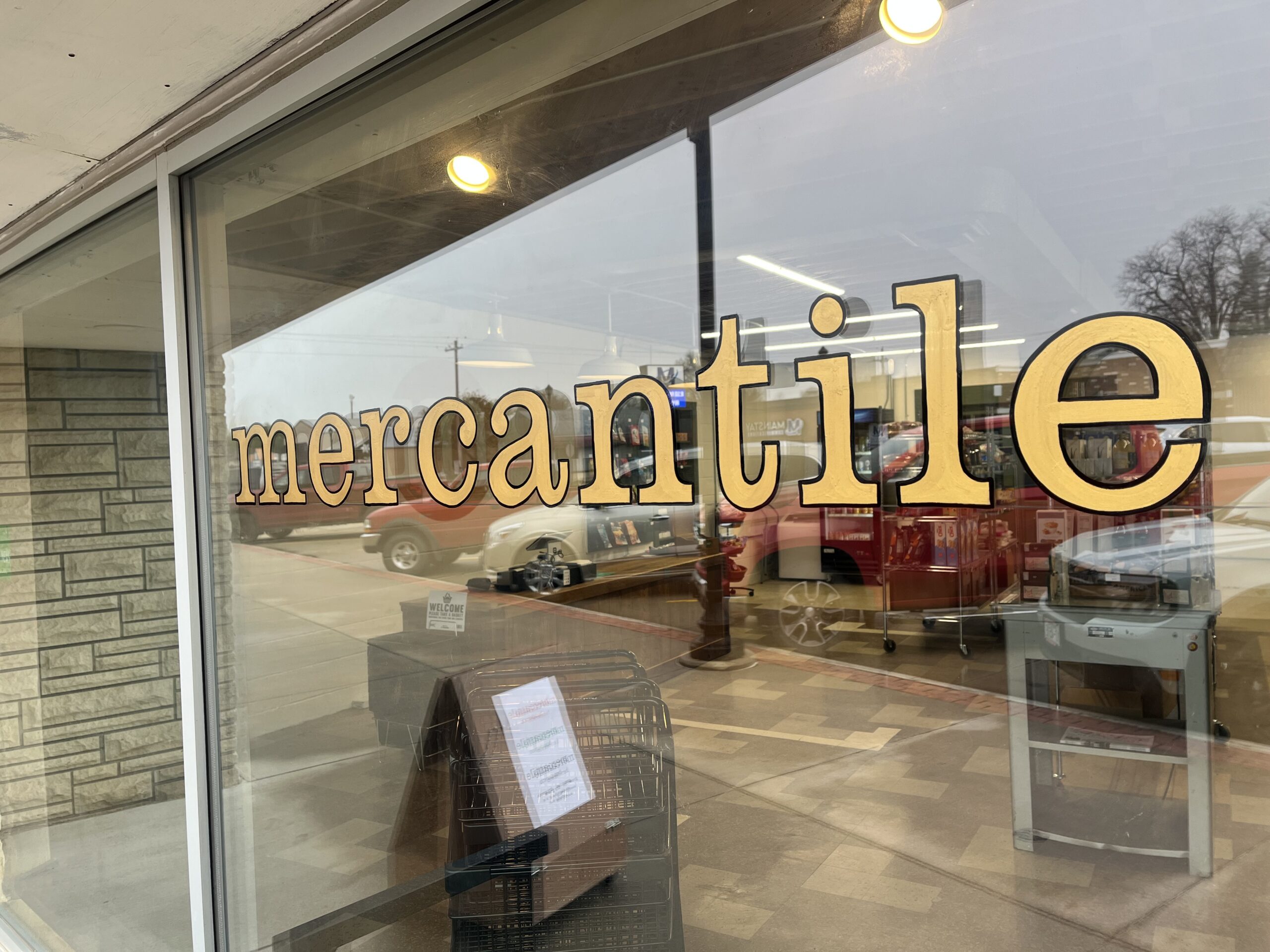
We didn’t try to rebuild what we lost. A full-service grocery store requires square footage, staffing, and distributor minimums that simply don’t work in a town our size. Instead we asked a different question: what does Henderson actually need, and what’s the smallest footprint that can deliver it?
The answer was a bodega-style mercantile. Essential groceries, fresh produce, local products, a few specialty items, and a space that felt like it belonged to this community. The ownership group is structured as equal partners, which distributes the work, the risk, and the decision-making so no single person is carrying everything.
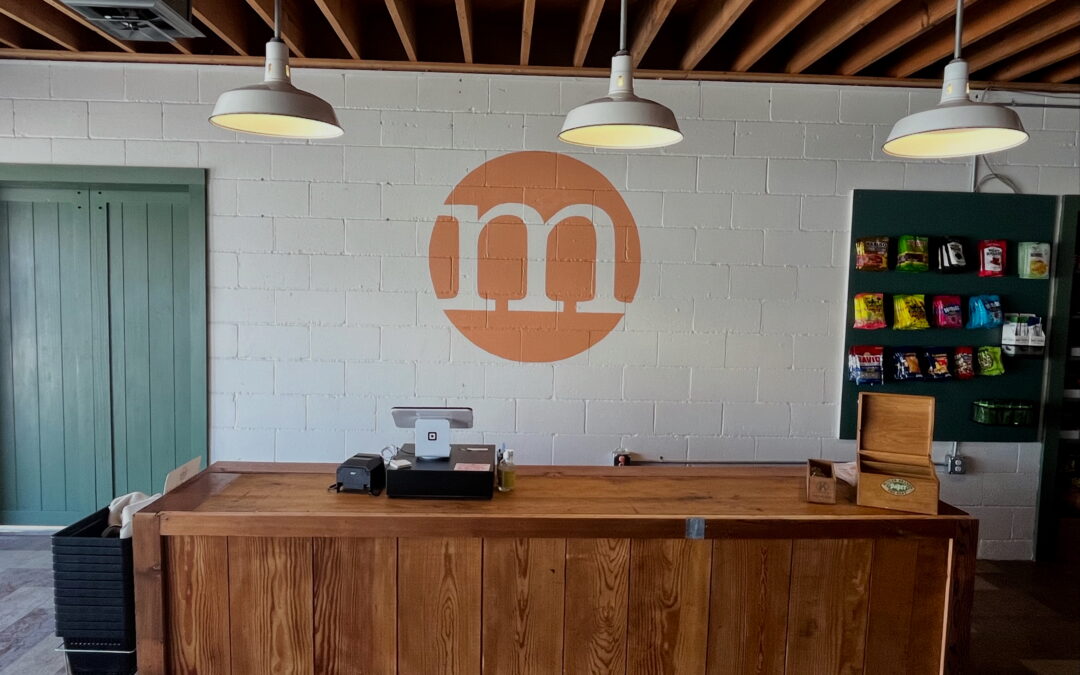
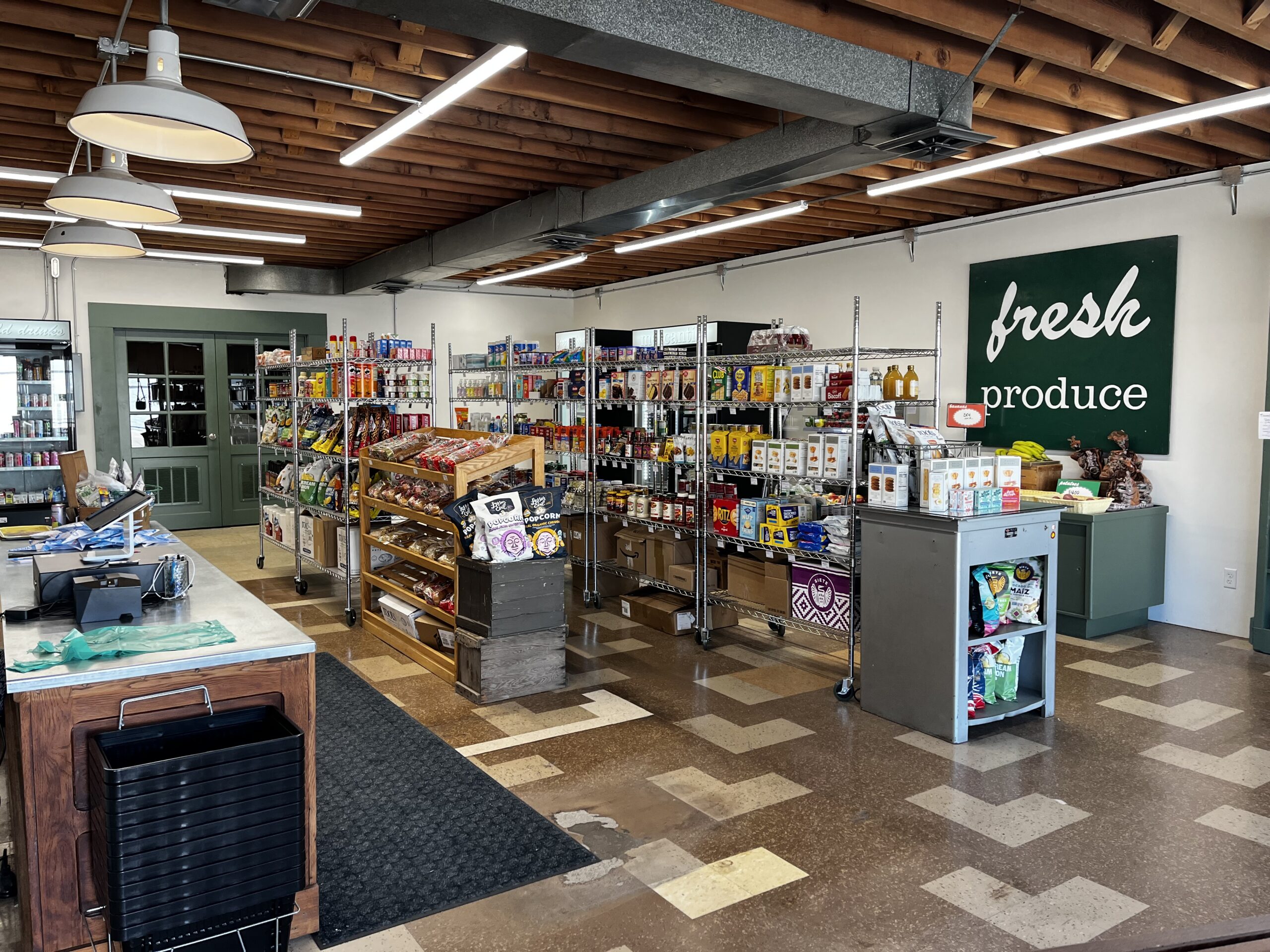 We leased 900 square feet inside another business on Main Street, renovated it ourselves (except for the electrical work), and kept our equipment simple: a freezer, two coolers, a small produce cooler, and shelving. From vision to opening day was only six weeks.
To keep labor costs manageable, we started with limited hours. We’re open Monday through Friday from 3:00 to 6:00 p.m., catching people after school and during the dinner hour when Main Street is busiest. We also open Friday and Saturday mornings from 8:00 a.m. to noon, intentionally mirroring the hours of a popular local cafe down the street. If people are already coming to Main Street for breakfast, we want to be open when they’re there.
Figuring Out Distribution
This is the part nobody fully grasps until they’re in it. Major grocery distributors require a $10,000 order minimum. For a store our size, that’s not realistic, and the problem isn’t just the dollar amount. Hitting those minimums means ordering more variety of shelf-stable goods than you can actually sell, so inventory keeps building while fresh items remain inconsistent.
We decided to work with a smaller regional distributor that already serves convenience stores, schools, and restaurants. The selection is smaller and some prices aren’t as competitive, but it means we can get eggs, bread, and fresh produce in every week. That consistency is what our customers need m ost.
ost.
We also reached out to an independent store in a larger neighboring community about piggybacking our orders onto theirs for items we can’t otherwise source. They were more than willing to help. That kind of neighborly cooperation is something you can actually count on in rural Nebraska.
For specialty and unique items, we also order directly from smaller food businesses through platforms like Faire. It’s a great way to source things that feel a little unexpected and give the store some personality beyond the essentials.
Sourcing Local
Carrying local items was always front of mind. There are beloved local products people missed when the old store closed, and a growing number of smaller producers who needed a market. Following the farm stop consignment model, we keep 30% and the rest goes back to the grower or maker. It means we can carry local eggs, honey, meat, fresh produce, and a rotating cast of local makers without having to buy inventory we might not move. And it gives us something no chain store can offer: products that are genuinely from here.
What We’re Learning
We’re on a learning curve and we know it. One of the harder adjustments is being okay with not having everything. When a customer asks for something we don’t carry, we add it to our shelves and make sure to let people know when it arrives, because building trust means showing people we’re listening. And while we’re not a full grocery store, you can absolutely find everything you need to fix dinner, grab a mid-work snack, or put together a solid charcuterie board. Keeping it all stocked is a constant dance when you have almost no room for back stock. In fact, our entire storage reserve is a small fridge in the back and the bottom shelf row. That’s it.
We’re trying to serve two groups at once: an older generation who have bought the same groceries for fifty years and aren’t changing, and younger families who care about organic ingredients and where their food comes from. Finding the middle ground between those two is ongoing work.
What I keep coming back to is something beyond the bottom line. We want people in Henderson to know they can get their essentials here, and we also want the store to have a little whimsy and delight. I love little grocery stores, the kind where you wander in and find something new to try, something unexpected that makes you glad you stopped. That’s what we’re building here, a store like this is part of what makes a community a place people actually want to stay.