In December, we launched our first Food System Champion Nominations to shine a light on the often-unsung heroes who strengthen and sustain our food systems every day. From farmers and community organizers to educators and innovators, the goal was simple: recognize the people whose dedication and creativity make healthier, more resilient food systems possible in their communities. We were thrilled by the thoughtful nominations we received and inspired by the many stories of impact shared with us.
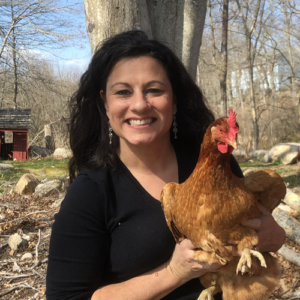
After reviewing the submissions, the NVA team selected three standout stories—though we truly felt every nominee was deserving of recognition. We are especially pleased to announce that Eva Hartman, a food security advocate in Alexandria, VA, has been selected as the recipient of the $500 gift card. Her work exemplifies the spirit of the Food System Champion initiative and the difference one committed individual can make. She was described as a Community Food Superhero because there is truly no better way to capture the breadth and depth of her relentless commitment to advancing food security and food justice in Alexandria. Below, you can learn more about Eva’s efforts as well as the inspiring work of our other nominees.
 |
Eva HartmanAlexandria Food Security Workgroup member, Chair of Child Fund AlexandriaAlexandria, VA |
During a year of repeated food security crises, Eva stepped up to ensure Alexandria’s most vulnerable residents had access to fresh, healthy food. Using donated compost and seeds, she launched community gardens at Community Lodgings and a local recreation center, engaging children in growing and harvesting food while sharing the produce with families in need. She maintains both gardens on her own time and at her own expense. When immigration raids began, Eva mobilized local businesses and organized discreet delivery channels so families could receive support without fear. During the federal shutdown, she led a citywide food drive collecting more than 10,000 pounds of food, demonstrating her unwavering commitment to food security and justice. |
| What started during the pandemic has blossomed into something truly special. For over 5 years, PCC Market shoppers’ small donations at checkout have been making a big difference—helping local hunger relief organizations buy fresh, locally grown produce that their communities actually want to eat. Local farmers get fair pay, families get culturally familiar foods, and it’s a model other communities can replicate. It’s proof that when neighbors support neighbors, everyone wins. |
Rachel Tefft (PCC), Jennifer Antos (NFMA), Olivia Jackiewicz (HAH), Ella Crowder (HAH), Mike Wenrick (PCC), Joey Lu (NFM), David Bobanick (HAH)Growing for GoodSeattle, WA |
 |
 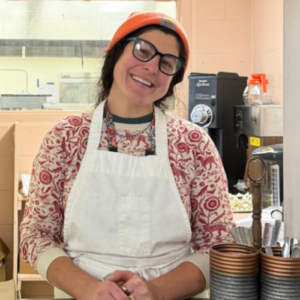 |
Bianca Fernandez & Daily Bear Kitchen StudentsBrattleboro, VT |
Bianca, alongside students at Brattleboro Union High School, launched the Daily Bear Kitchen, featuring meals sourced from local producers. Students gain hands-on culinary, agricultural, and vocational skills as they connect with vendors, design menus, tend a kitchen garden, prepare food, and serve customers. After touring Food Connects, a local food hub, they began ordering from them regularly. The kitchen keeps prices affordable compared to other locally sourced spots, expanding access to local food for more Brattleboro residents. It offers room-temperature, refrigerated, and frozen grab-and-go options for busy customers, with a rotating menu that ranges from moussaka to enchiladas to spiced lentils. |
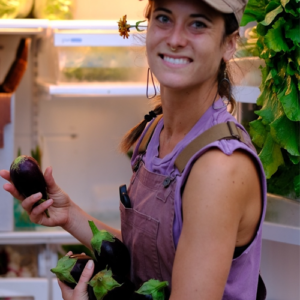
| As founder of the Giving Garden Farm, Meg transformed a neglected parking lot into a thriving nonprofit farm that donates thousands of pounds of fresh, organic produce to families experiencing food insecurity. The Giving Garden Farm, which recently merged with Working Food, nourishes families with dignity and inspires long-term change through education and care for the land. Beyond food production, the farm offers hands-on horticultural training, community workshops, and an Apprenticeship Program for under-resourced youth. What sets Meg apart is her belief that fresh, healthy food is a right, not a privilege. |
Meg Boria-MeyerCommunity Engagement and Farm Director at Working Food and Founder of the Giving Garden FarmGainesville, FL |
 |
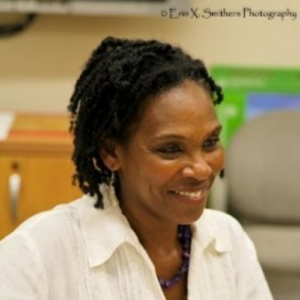 |
Dr. Dannie RitchieFounder, Community Health Innovations of RI; Clinical Assistant Professor, Brown UniversityProvidence, RI |
Dr. Ritchie is a public health family physician who founded the Teen Plot to Plate program. This innovative initiative pairs teens in summer recreation programs with local chefs to learn cooking and gardening skills at the Mount Hope Sharing Garden, where they prepare fresh meals for fellow students. At the prompting of one of the teens in the program, they now prepare breakfast and lunch for the Vincent Brown Recreation Center’s 7-week summer program, which they hope to expand to other Centers. |
| Chad has served for years combating food insecurity, food deserts, and building community gardens to help people become their own change agents. Through his many roles, he brings deep expertise across climate justice, food systems transformation, and community empowerment. His work spans from advising on soil health to building the infrastructure that helps communities feed themselves with dignity and sustainability. |
Chad MartinNC Local Food Council Triad Regional Representative, University of Maryland CEEJH Senior Fellow, Virginia Tech Food Systems FellowNorth Carolina |
 |
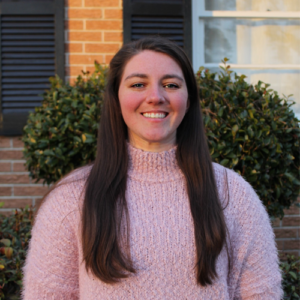 |
Lilly AllenCommunity Programming Lead, FoodShare-SC Teaching KitchenSouth Carolina |
Since joining in January 2025, Lilly has launched multiple impactful programs, including a USC Sustainability Garden composting partnership, the FoodShare Fresh Food Box sampling program, a Senior Cooking Class Program, youth programming for children with sensory sensitivities, and the Holiday Sides program. She also designs all FoodShare Fresh Food Box recipe cards. Her work reflects innovative, equity-centered food initiatives that reduce waste while increasing cooking confidence and access to healthy food. |
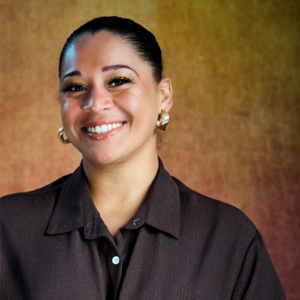
| Founded in 2019 and immediately tested by the COVID 19 pandemic, Change Today, Change Tomorrow did not pause when systems failed. It adapted. What began as rapid response mutual aid evolved into a durable, community rooted food ecosystem. Today, CTCT operates Feed the West, a grocery redistribution program serving Louisville’s West End; the West End Farmers Market, centering local farmers and culturally relevant food access; and the State of Black Food Summit, convening growers, organizers, policymakers, and residents. Their work shows that resilience is not accidental. It is designed and built through trust, activated neighbors, and pathways that empower communities to shape their own food futures. |
Taylor RyanFounder of Change Today Change TomorrowLouisville, KY |
 |
|
|
Katie Kirakosian & Susie ScanapiecoCo-leads, USDA Project SCALES (Supporting Community Agriculture and Local Education Systems)Wood River Junction, RI |
Katie and Susie are transformative leaders in the Chariho local food system. As co-leads of the USDA Project SCALES initiative, they built a comprehensive Farm to School program connecting education, agriculture, sustainability, and equitable access. Their leadership has empowered over 30 high school interns through hands-on experiences in food production, preparation, education, and distribution. They established food share carts in every cafeteria, expanded fresh produce access for the local food pantry, launched hydroponic growing towers in the middle and high schools, and coordinated Indigenous themed meals in partnership with Indigenous organizations. Their work weaves students, educators, farmers, and community partners into a people centered, community rooted food system. |

Please watch for future opportunities to submit your nominees and help us continue recognizing the incredible people working to strengthen our food systems. Be sure to sign up for our newsletter so you don’t miss the next call for nominations and other updates from our team.
All photos courtesy of the nominee.